



Beginner's Guide: How to Authenticate Error Notes vs. Fakes
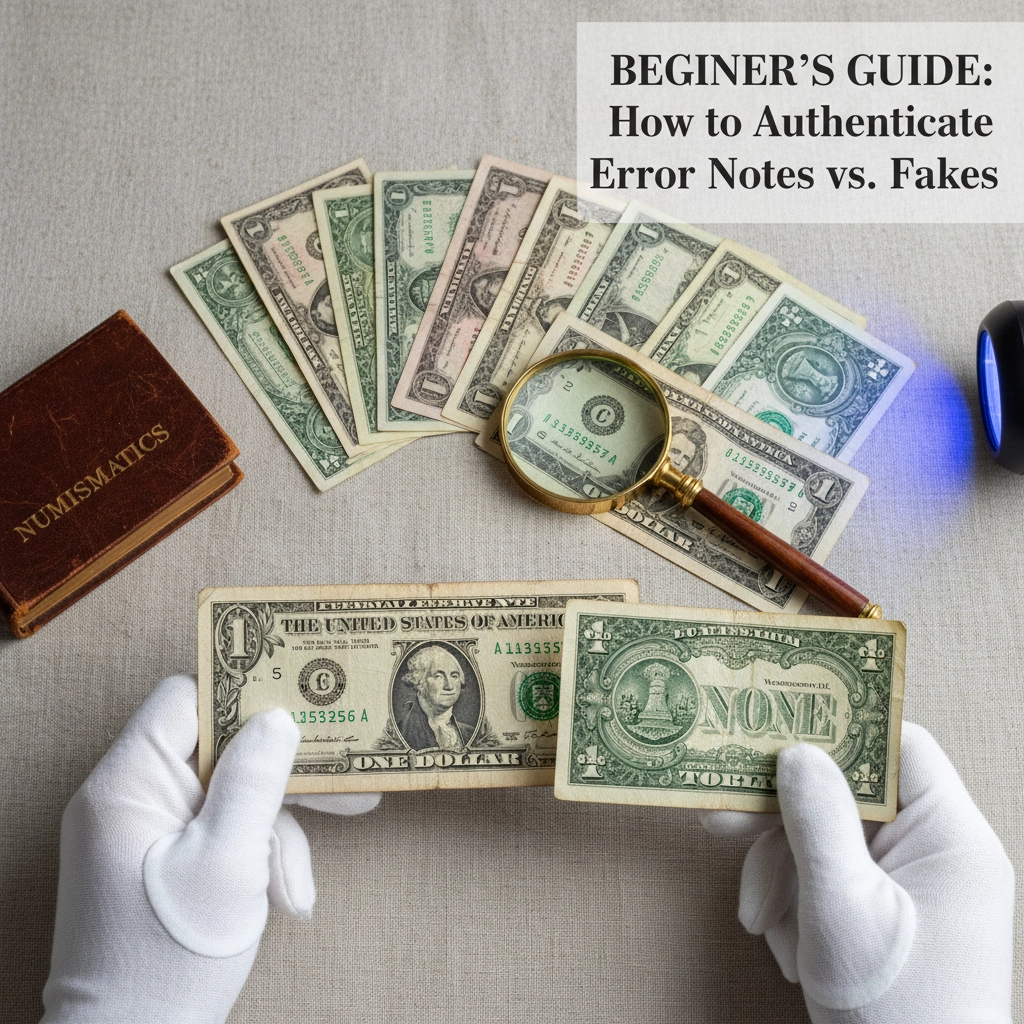
It might seem like common sense, but distinguishing genuine error notes from counterfeits can be one of the most challenging aspects of currency collecting. Whether you're just getting started or looking to expand your knowledge, understanding how to authenticate error notes versus fakes is absolutely crucial for protecting your investment and building a legitimate collection.
Error note collecting can be an exciting and rewarding hobby, but it's also filled with potential pitfalls that can cost you serious money if you're not careful. The difference between a genuine printing error worth hundreds (or thousands) and a worthless counterfeit or damaged bill often comes down to knowing what to look for: and more importantly, what red flags to avoid.
Understanding the Fundamental Difference
Before diving into authentication techniques, let's establish the key distinction: genuine error notes are mistakes that occurred during legitimate production at the Bureau of Engraving and Printing (BEP), while counterfeits are deliberately created to deceive collectors and investors.
The BEP produces billions of notes annually, and while genuine printing errors are extremely rare: occurring less than 0.1% of the time: when they do happen, they can be dramatic and highly valuable to collectors. These authentic errors represent actual manufacturing mistakes that somehow escaped quality control, making them legitimate collectibles with real numismatic value.
Step One: Verify Basic Currency Authenticity
Warning: Never evaluate whether a note is an error until you've first confirmed it's genuine U.S. currency. This is your first and most important checkpoint.
All authentic U.S. banknotes contain security features you can quickly assess:
• Security thread embedded in the paper • Watermark visible when held to light • Color-changing ink on denomination numbers • Microprinting throughout the design • Special paper texture that feels distinct from regular paper
If a note fails these basic authentication tests, it's counterfeit: regardless of any apparent printing errors. Counterfeiters sometimes add fake "errors" to make their bills seem more valuable or believable, but a fake foundation makes any error worthless.
Recognizing Genuine Printing Errors
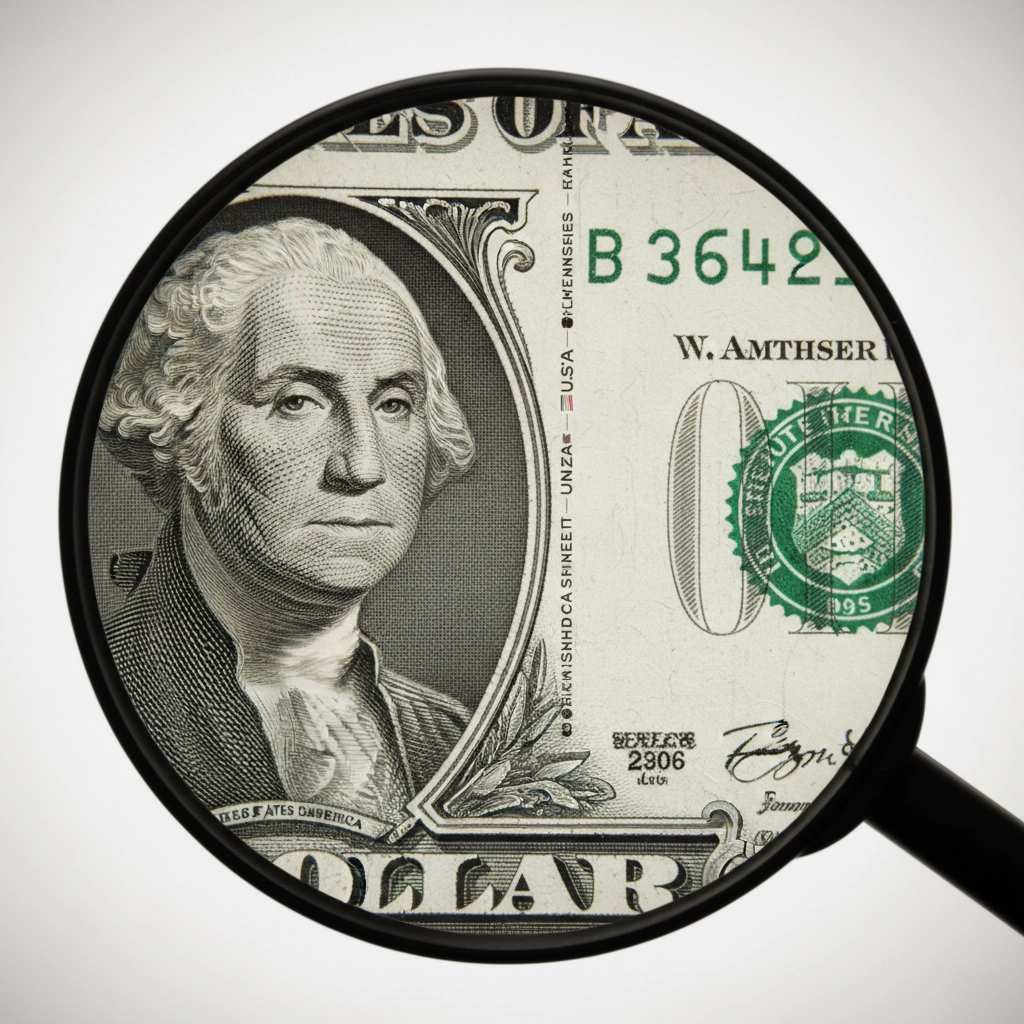
Understanding legitimate error types helps you spot them in the wild. Here are the most common categories of authentic printing errors you might encounter:
Offset Errors
These occur when ink from one note transfers onto another during printing. You'll see portions of a different note's design appearing on your bill's front or back. The transferred image typically appears lighter than the main design and may be partial or complete.
Inverted Backs
Sometimes called "inverted reverses," these happen when the back of a note is printed upside down relative to the front. When you flip the note from top to bottom, the back design should be right-side up: if it's not, you've found a genuine error.
Misaligned Elements
Serial numbers, seals, or other design elements that appear shifted from their normal positions indicate printing machinery misalignment during production.
Missing Design Elements
Incomplete printings where portions of the design simply didn't print create valuable error notes. This could be missing ink colors, absent serial numbers, or blank areas where design should appear.
Gutter Folds
When paper wrinkles during printing, it creates unprinted channels or lines across the note. These appear as white streaks where the design is completely absent due to the fold preventing ink contact.
Critical Authentication: Error vs. Damage
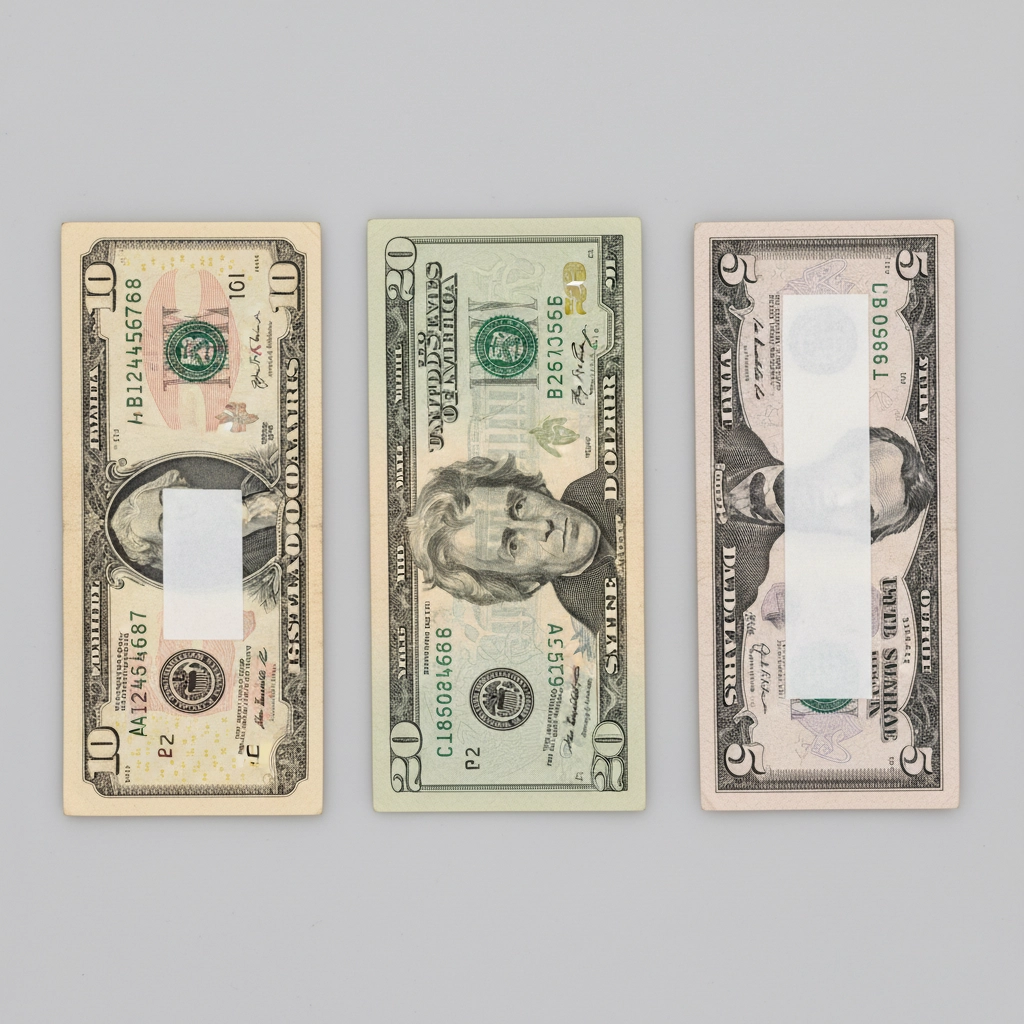
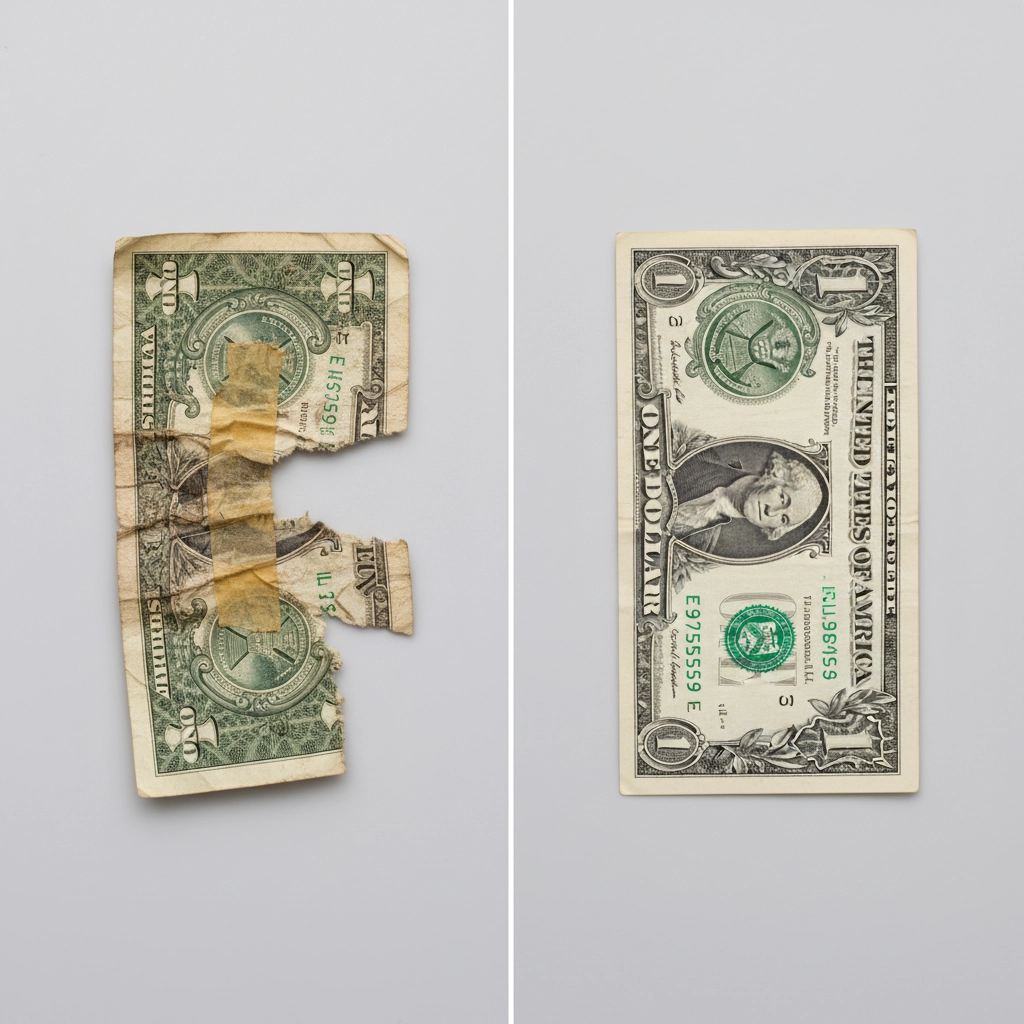
This is where many beginners get fooled: the most important skill you'll develop is distinguishing genuine printing errors from post-production damage. This single distinction separates valuable collectibles from worthless damaged currency.
Damage indicators include: • Physical wear from circulation • Dirt accumulation or staining • Tape repairs or adhesive marks • Creases or folds that occurred after printing • General discoloration from age or handling
Genuine error indicators include: • Ink contamination that occurred during printing • Design elements that are clearly misaligned from production • Missing or doubled printing from machinery issues • Clean, sharp error boundaries without signs of manipulation
For example, if you see green ink smears that appear extremely dark and concentrated in specific areas where they shouldn't be, this could indicate genuine ink contamination from the printing process. Conversely, general darkening across a note usually suggests dirt accumulation after it left the BEP.
Serial Number Authentication
Serial numbers serve dual purposes in error note authentication. First, they help verify authenticity since genuine serial numbers follow specific patterns and are difficult to forge accurately. Second, serial number errors themselves: such as misaligned, inverted, or missing serial numbers: represent legitimate printing errors.
Key serial number authentication points: • Numbers should be crisp and evenly printed • Font and spacing should match known authentic examples • Any serial number errors should follow logical printing mistake patterns • Replacement prefixes (like star notes) indicate legitimate BEP tracking systems
Major Red Flags for Counterfeits
Certain warning signs immediately suggest you're dealing with a counterfeit rather than a genuine error:
Intentional Alterations
Be extremely suspicious of notes that appear to have been deliberately modified. Some counterfeiters add fake errors to legitimate currency, while others create completely false bills with dramatic "mistakes" to attract collectors.
Multiple Security Feature Failures
If basic authentication features are absent, incorrect, or obviously fake, the note is counterfeit: no matter how impressive the supposed error appears.
Inconsistent Error Patterns
Real printing errors follow logical patterns based on how currency production works. If an error doesn't align with known BEP printing processes, question its authenticity immediately.
Signs of Physical Manipulation
Evidence of glue, tape, cutting, or other alterations suggests the "error" was created after printing rather than during legitimate production.
Professional Authentication and Grading
For valuable error notes, professional authentication through reputable third-party grading services provides peace of mind and market credibility. These services employ experts who understand both genuine currency authentication and error note specifics.
Benefits of professional grading include: • Expert authentication you can trust • Protective holders that preserve condition • Market credibility for resale purposes • Detailed error descriptions and certifications
While professional grading costs money upfront, it's often worthwhile for valuable errors: both to confirm authenticity and to maximize potential resale value.
Developing Your Authentication Skills
Building expertise in error note authentication takes time and practice. Here's a systematic approach for examining suspicious notes:
- Start with basic currency authentication: verify it's genuine U.S. currency first
- Determine error vs. damage: look for signs of post-production harm versus printing mistakes
- Research the error type: compare to documented examples of similar errors
- Examine consistency: ensure the error follows logical printing patterns
- Consider professional opinion: consult experts for valuable or questionable pieces
Resources for continued learning: • Join currency collecting communities and forums • Study reference books specifically about error notes • Attend coin and currency shows to examine authentic examples • Build relationships with reputable dealers who specialize in error currency
Building Confidence Through Experience
Remember, even experienced collectors occasionally encounter challenging authentication decisions. The key is approaching each potential error note with healthy skepticism while systematically applying authentication principles.
Start conservatively: it's better to pass on a questionable note than to purchase a fake. As your knowledge grows, you'll develop the confidence to recognize genuine errors quickly while avoiding costly mistakes.
Practice with common examples first: dramatic, expensive errors are tempting, but learning on more affordable, clearly authentic examples builds your skills safely.
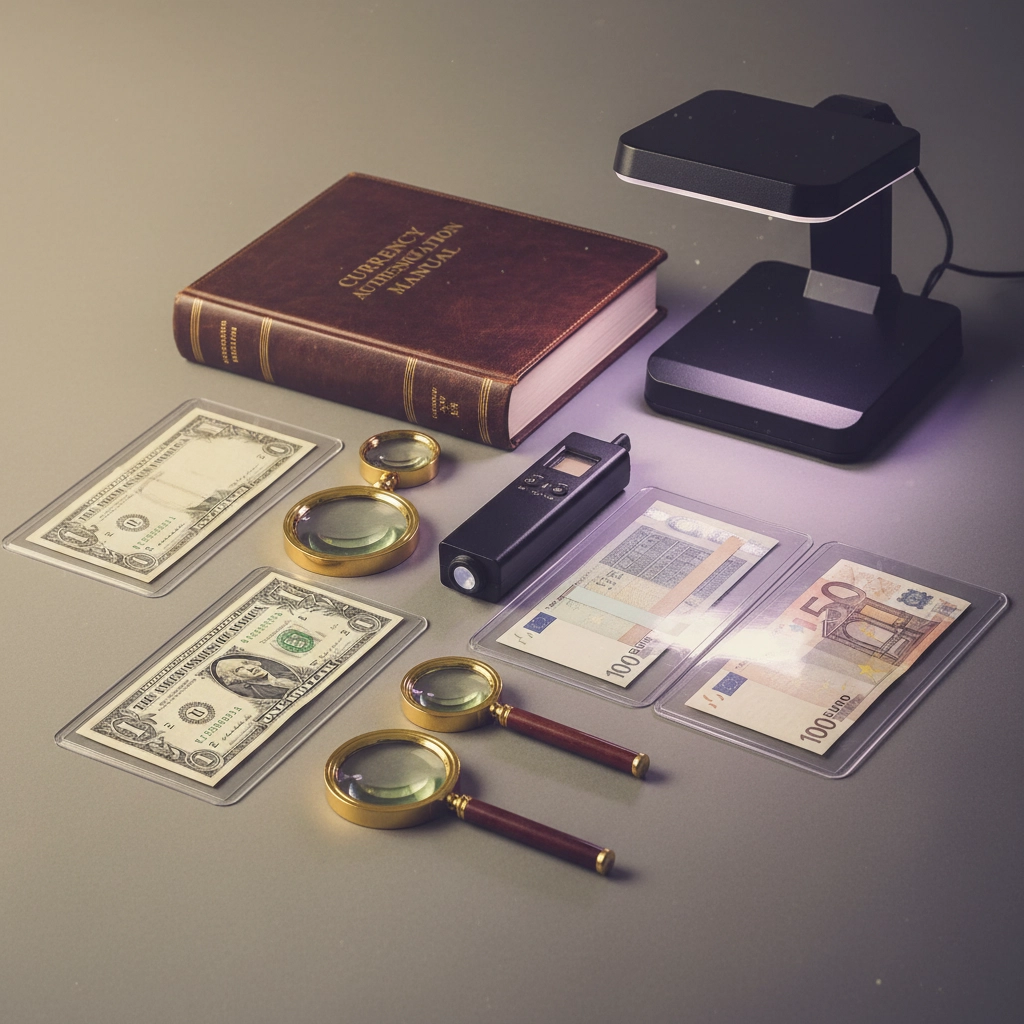
The world of error note collecting offers incredible opportunities for those who take time to develop proper authentication skills. While the learning curve can seem steep initially, understanding how to distinguish genuine printing errors from counterfeits and damage protects your investment while opening doors to fascinating and valuable collectibles.
Take your time, ask questions, and remember that building expertise is part of the enjoyment. Every authentication challenge you overcome makes you a better, more confident collector. For more guidance on building your currency collection, check out our beginner's guide to collecting coins and paper money.
Happy collecting: and remember, when in doubt, seek expert opinion rather than risk your hard-earned money on questionable pieces!